
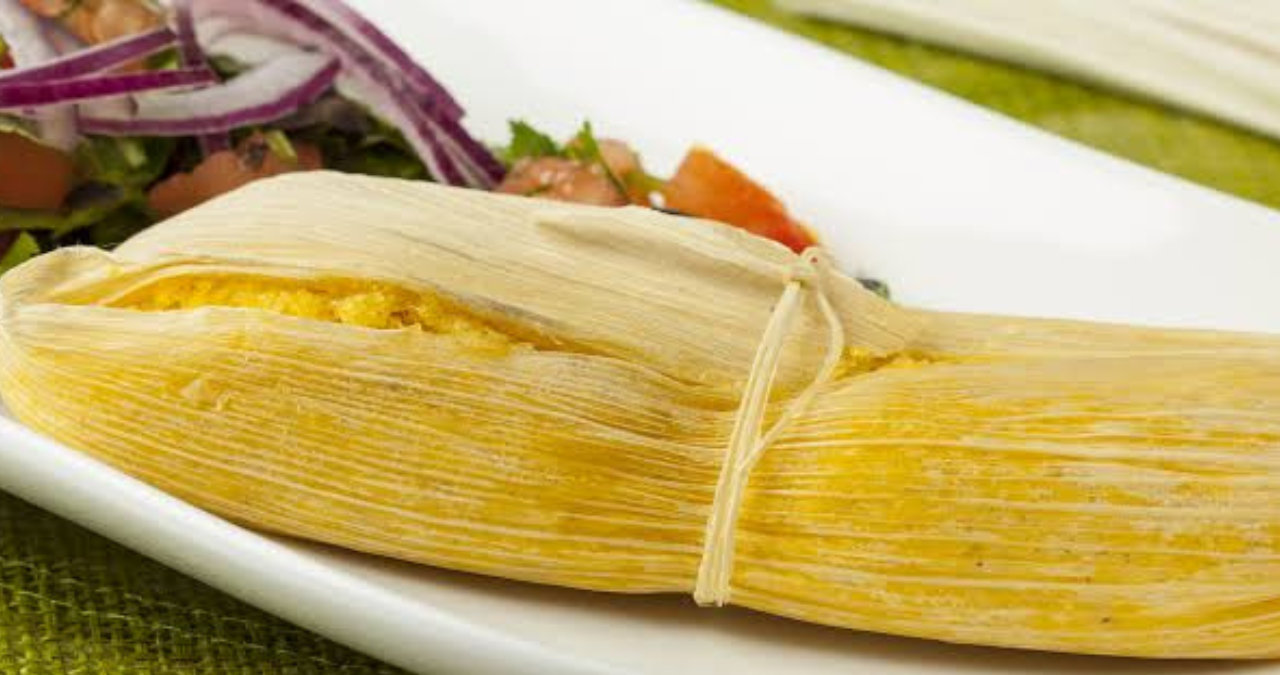

best humita en chala near me is a search phrase that can lead food lovers to one of the most comforting and traditional dishes found in parts of South America. Humita en chala is a delicious corn-based food wrapped and cooked inside corn husks. It has a soft texture, a pleasant corn flavor, and a long cultural history.
For someone discovering this dish for the first time, finding a good humita can feel like finding a hidden treasure. The right place can offer fresh corn, carefully balanced seasonings, a tender filling, and a traditional cooking method. On the other hand, not every restaurant or food shop prepares humita in the same way.
This guide explains what humita en chala is, what makes it special, how to search for the best option near you, what to look for in a restaurant, and how to enjoy this classic food. Whether you’re already a fan or simply curious, there’s plenty to discover.
What Is Humita en Chala?
Humita en chala is a traditional corn dish associated with the Andean regions of South America. It is especially connected with countries such as Argentina, Bolivia, Chile, Ecuador, and Peru, although recipes and preparation styles can vary from one region to another.
The word “chala” refers to the corn husk. Instead of using the husk as waste, cooks use it as a natural wrapper for the corn mixture.
The main ingredient is usually fresh corn. The kernels are removed from the cob and ground, grated, or processed into a soft mixture. Other ingredients may include:
- Onion
- Cheese
- Milk
- Butter or another cooking fat
- Salt
- Pepper
- Paprika or other seasonings
- Fresh herbs
- Sometimes chili or other regional ingredients
The prepared corn mixture is placed inside cleaned corn husks. The husks are then folded or tied and cooked until the filling becomes soft and firm enough to hold its shape.
The result is a warm, comforting food with a naturally sweet corn taste and a savory character.
Why Search for the best humita en chala near me?
Searching for best humita en chala near me isn’t only about finding the closest restaurant. Distance matters, of course, but quality matters even more.
Humita is a dish where freshness and preparation make a noticeable difference. Fresh corn can provide a naturally sweet flavor, while good seasoning creates depth without overpowering the main ingredient.
A nearby restaurant may be convenient, but a slightly farther location could offer a much more authentic and satisfying experience.
When comparing places, consider:
- Food quality
- Freshness
- Traditional preparation
- Customer reviews
- Restaurant cleanliness
- Portion size
- Service
- Price
- Authenticity
- Availability
A little research can go a long way. After all, nobody wants to travel across town only to discover that the dish isn’t available that day.
The History Behind Humita en Chala
Humita has deep roots in Indigenous food traditions of the Andes. Corn has been an important crop in South America for thousands of years, supporting communities as both an everyday food and a valuable agricultural resource.
Traditional corn dishes developed in different regions, with families passing recipes from one generation to another. Humita became one of the best-known preparations because it makes excellent use of corn while allowing cooks to add local ingredients and flavors.
The corn husk is also important to the traditional method. It provides a natural wrapper and helps keep the filling together while it cooks.
Over time, different communities developed their own versions. Some humitas are sweeter, while others are more savory. Some contain cheese, while others use stronger herbs or spices.
That’s part of the charm. There isn’t always one single recipe that defines every humita en chala.
What Makes a Great Humita en Chala?
When looking for a delicious humita, several details can make a big difference.
Fresh Corn
Fresh corn is one of the most important ingredients. Good corn should have a pleasant natural sweetness and a fresh aroma.
Because corn is the heart of the dish, poor-quality or overly dry corn can affect the entire experience.
Balanced Seasoning
Humita shouldn’t taste like a bowl of spices. The seasonings should support the corn rather than hide it.
A well-made version usually has a balanced combination of salt, herbs, onion, cheese, or other ingredients.
Soft but Structured Texture
The filling should be tender and moist without becoming watery. It should also have enough structure to hold together when served.
Too dry, and the dish can feel heavy. Too wet, and it may lose its traditional texture.
Proper Cooking
Cooking time matters. Humita needs enough heat to cook the corn mixture properly while keeping the filling tender.
Traditional steaming or boiling methods can produce a soft and comforting texture.
Fresh Aroma
A freshly prepared humita often has a pleasant aroma of cooked corn, herbs, cheese, and other ingredients.
If a dish smells fresh and inviting before you even take the first bite, that’s usually a good sign.
How to Find the best humita en chala near me
Finding a good restaurant has become easier thanks to online maps, food apps, review platforms, and social media. Still, knowing what to search for can save time.
Start by searching the exact phrase best humita en chala near me in your preferred map or search application. You can also try related terms such as:
- Humita en chala restaurant
- Traditional humita near me
- Argentine food near me
- Bolivian food near me
- South American restaurants near me
- Authentic humita
- Corn tamales near me
Keep in mind that humita en chala isn’t always listed under the same name. Some restaurants may describe it as a traditional corn tamale or an Andean corn dish.
Once you find possible restaurants, don’t stop at the first result. Compare several options.
Check Restaurant Reviews Carefully
Reviews can be extremely useful when deciding where to eat. However, they should be read with a little common sense.
Look for comments that mention the actual food rather than only the restaurant atmosphere.
Useful review details include:
- “Fresh corn flavor”
- “Traditional recipe”
- “Homemade taste”
- “Soft and flavorful”
- “Good portion”
- “Authentic South American food”
- “Excellent service”
- “Freshly prepared”
A restaurant with many detailed reviews can give you a better idea of what to expect.
Don’t worry if one person dislikes the dish. Taste is personal. Instead, look for repeated patterns across many reviews.
If several customers praise the same dish, that’s a stronger signal.
Compare Traditional and Modern Versions
Not every humita follows an identical recipe. Modern restaurants may introduce creative ingredients or presentation styles.
A traditional version may focus mainly on corn, onion, cheese, herbs, and simple seasonings. A modern version might include additional vegetables, sauces, spices, or gourmet ingredients.
Neither approach is automatically better.
If you’re trying humita for the first time, a traditional version is often a good starting point because it lets you understand the classic flavor.
Once you’ve experienced the traditional recipe, trying creative variations can be fun.
It’s a bit like listening to an original song before hearing a remix. Knowing the classic gives you something to compare.
A Simple Comparison Guide
The following table can help you evaluate different places when searching for humita.
| Feature | What to Look For | Why It Matters |
|---|---|---|
| Corn | Fresh and flavorful | Corn is the main ingredient |
| Texture | Soft and moist | Creates a pleasant eating experience |
| Seasoning | Balanced | Enhances rather than hides corn |
| Cheese | Fresh and suitable | Adds richness and flavor |
| Cooking | Properly cooked | Improves texture and safety |
| Presentation | Clean and traditional | Adds to the experience |
| Reviews | Consistently positive | Shows customer satisfaction |
| Price | Reasonable for portion | Helps judge overall value |
| Service | Friendly and efficient | Makes dining more enjoyable |
| Cleanliness | Well-maintained | Important for a comfortable meal |
Using these factors can help you make a smarter choice instead of selecting a restaurant simply because it appears first in a search result.
Humita en Chala vs. Other Corn Dishes
Humita is sometimes compared with tamales because both can involve a filling wrapped in leaves or husks. However, they aren’t exactly the same.
Humita traditionally places strong emphasis on fresh corn. The texture and flavor are therefore different from many other corn-based wrapped dishes.
Tamales can be made with different types of corn dough and a wide variety of fillings. Humita, meanwhile, often highlights the natural sweetness and softness of corn.
Regional recipes also vary, so there can be some overlap.
The best way to understand the difference is simple: try them side by side when possible.
What to Expect When Ordering Humita
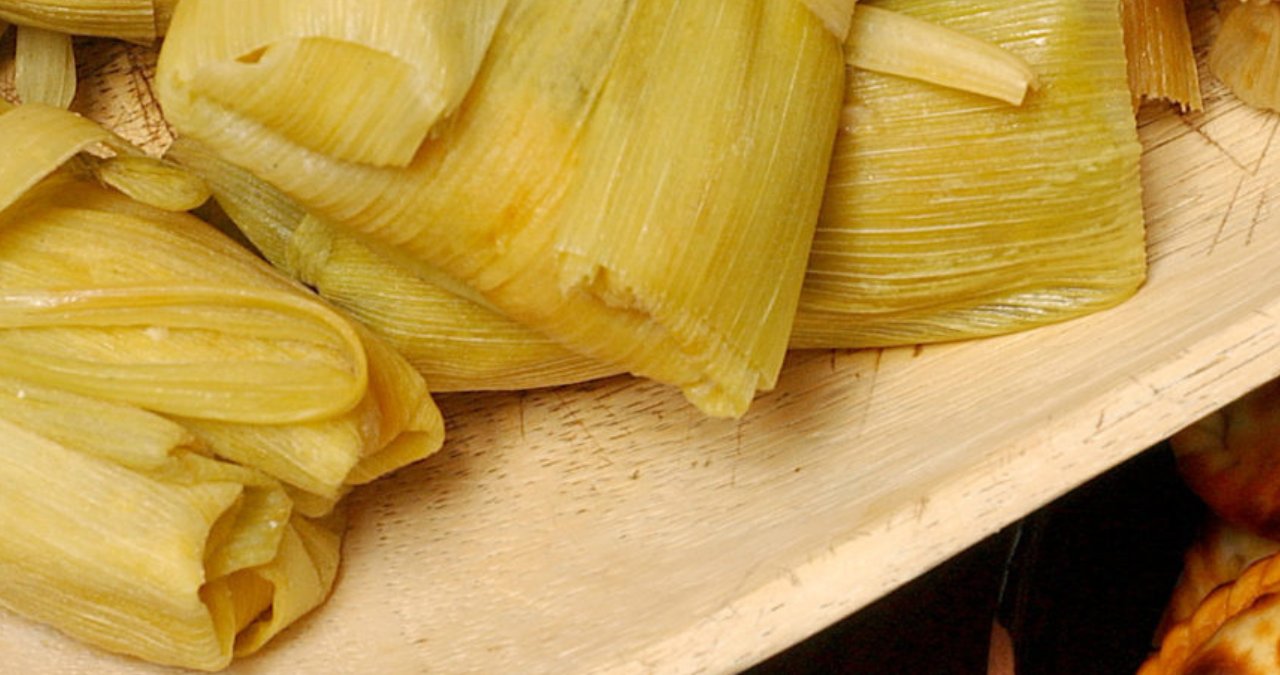
If you’re visiting a restaurant that serves humita en chala, the dish may arrive wrapped in its corn husk.
Depending on the restaurant, the husk may remain around the entire portion or be partially opened for presentation.
Remember that the husk is normally a wrapper, not the part you eat.
To enjoy the filling:
- Place the humita on your plate.
- Carefully open the corn husk.
- Remove the husk from around the filling.
- Let the humita cool slightly if it’s very hot.
- Enjoy it with the restaurant’s recommended side dishes or sauce.
Some versions may be served with additional cheese, salsa, herbs, or other regional accompaniments.
Best Times to Enjoy Humita en Chala
Humita can be enjoyable at different times of the day.
It works well as:
- A hearty lunch
- A light dinner
- A traditional snack
- A family meal
- A cultural food experience
- A side dish
- Part of a South American food tour
Because it is warm and filling, many people especially enjoy it during cooler weather.
That said, there is no strict rule. If a restaurant serves a good humita on a warm afternoon, why not?
Good food doesn’t need a calendar.
Questions to Ask Before Ordering
If humita isn’t listed clearly on a restaurant’s menu, calling ahead can save you a trip.
You can ask:
- Do you currently serve humita en chala?
- Is it made fresh?
- Is it available every day?
- Does it contain cheese?
- Is it spicy?
- What ingredients are used?
- How large is one serving?
- Is it vegetarian?
- What sides come with it?
This is particularly helpful because traditional dishes may be seasonal or prepared only on certain days.
Availability can also change depending on the supply of fresh corn.
Understanding Price and Value
Price is another factor when searching for the best humita en chala near me.
A cheaper dish isn’t necessarily a better deal. Likewise, an expensive dish isn’t automatically high quality.
Instead, consider the overall value.
A good-value humita should offer:
- Fresh ingredients
- A satisfying portion
- Proper preparation
- Good flavor
- Clean presentation
- Reliable service
Restaurants that make food by hand may charge more because preparation takes time and effort.
When possible, compare the price with portion size and ingredient quality rather than looking at the number alone.
Homemade Humita vs. Restaurant Humita
One reason people love humita is its homemade character.
A family recipe may have a special flavor that reminds someone of childhood, family gatherings, or traditional celebrations.
Restaurants attempt to recreate that feeling while preparing larger quantities for customers.
A good restaurant should still maintain attention to:
- Ingredient quality
- Traditional methods
- Seasoning
- Cooking time
- Texture
- Presentation
If a restaurant clearly explains that its humita is based on a family or regional recipe, that can add an interesting cultural element to your meal.
How to Recognize Authentic Food Experiences
Authenticity can be a complicated word. A dish doesn’t have to be prepared exactly as it was hundreds of years ago to be meaningful or delicious.
Instead, look for signs that the restaurant understands the dish and its cultural background.
These may include:
- Traditional ingredients
- Knowledgeable staff
- Regional recipes
- Clear descriptions on the menu
- Respect for cooking traditions
- Fresh preparation
- A menu featuring related regional foods
A restaurant that takes pride in its culinary heritage will often be happy to explain the ingredients and preparation.
That’s a good sign for curious diners.
Common Mistakes When Searching for Humita
People sometimes make simple mistakes when looking for a specific traditional dish.
Choosing Only by Distance
The closest restaurant isn’t always the best.
Ignoring Reviews
Reviews can reveal useful information about portion sizes, freshness, and consistency.
Assuming Every Humita Is the Same
Recipes vary by region and family.
Not Checking Availability
A restaurant may serve humita only on certain days.
Expecting One Exact Flavor
Your first humita may taste different from another version. That doesn’t necessarily mean one is wrong.
Forgetting About Ingredients
If you have food allergies or dietary restrictions, always ask about ingredients before ordering.
Enjoying Humita as Part of a Larger Meal
Humita doesn’t have to be eaten alone. It can become part of a larger South American food experience.
Depending on the restaurant, you might pair it with:
- Fresh salad
- Grilled meats
- Regional soups
- Empanadas
- Potatoes
- Rice
- Fresh vegetables
- Traditional sauces
- Other corn-based dishes
If you’re unfamiliar with South American cuisine, ordering several small dishes can be an excellent way to explore different flavors.
One dish opens the door to another.
Why Corn Makes Humita So Special
Corn is more than just an ingredient in humita. It is an important part of the culinary history of the Americas.
It can be used in many ways, including:
- Fresh corn dishes
- Corn breads
- Porridges
- Tortillas
- Tamales
- Soups
- Desserts
- Drinks
Humita shows how a simple agricultural ingredient can become a dish with cultural meaning.
The combination of fresh corn, seasonings, and a natural husk wrapper is simple, but the result can be remarkably satisfying.
Tips for a Better Restaurant Experience
Once you’ve found a restaurant offering humita, a few simple tips can make the experience even better.
Check Opening Hours
Traditional restaurants may have different operating hours on weekends or holidays.
Look at the Full Menu
You might discover other dishes you’ve never tried.
Ask About Today’s Specials
Some restaurants prepare traditional foods on particular days.
Share With Friends
If you’re eating with others, sharing several dishes lets everyone experience more flavors.
Give Yourself Time
Traditional food is worth slowing down for. Don’t rush through the meal.
How Technology Helps You Find Local Food
Modern technology has transformed the way people discover food.
Instead of asking only friends or walking around looking for restaurants, you can now search online for specific dishes.
When searching for best humita en chala near me, digital maps and food platforms can help you:
- Find nearby restaurants
- Check opening hours
- Read customer reviews
- View photographs
- Compare locations
- Check menus
- Contact restaurants
- Get directions
However, online information isn’t always perfect. Menus can change, businesses can close, and opening hours may not always be updated.
For that reason, contacting the restaurant directly can be useful when the dish is particularly important to your plans.
A Quick Checklist Before Choosing a Restaurant
Before deciding where to eat, ask yourself:
- Does the restaurant actually serve humita en chala?
- Are recent reviews positive?
- Do customers mention freshness?
- Does the restaurant have a clean appearance?
- Is the price reasonable?
- Is the dish available today?
- Does the menu offer traditional South American foods?
- Can the restaurant explain its ingredients?
- Does the location work for you?
If most answers are positive, you’ve probably found a promising option.
Exploring South American Food Beyond Humita
Once you enjoy humita en chala, you may want to explore other dishes from the region.
South American cuisine is incredibly diverse. Each country and region has its own ingredients, cooking styles, and traditions.
Depending on the restaurant, you might encounter:
- Empanadas
- Locro
- Tamales
- Salteñas
- Grilled meats
- Regional stews
- Potato dishes
- Corn-based soups
- Traditional desserts
Trying new foods can also teach you about history and culture.
Food is often a delicious form of storytelling.
Frequently Asked Questions About Humita en Chala
Is humita en chala vegetarian?
Many traditional versions can be vegetarian, but recipes differ. Some may contain cheese or other ingredients. Always check with the restaurant if this is important to you.
Is humita spicy?
Usually, humita isn’t extremely spicy, but regional recipes can include chili or other peppers. Ask before ordering if you prefer mild food.
Can humita be sweet?
Yes. Different regions have different traditions. Some preparations are savory, while others may have a sweeter character.
Is the corn husk edible?
The corn husk is generally used as a wrapper and is not normally eaten.
Is humita the same as a tamale?
Not exactly. They share some similarities, but traditional humita often places greater emphasis on fresh corn and has its own regional preparation methods.
Can I make humita at home?
Yes. Homemade humita is possible, although preparing the corn mixture and wrapping the portions can take time.
Why does humita taste different at different restaurants?
Recipes, corn varieties, seasonings, cheese, cooking methods, and regional traditions can all affect the final flavor.
Final Thoughts on Finding the best humita en chala near me
Finding the best humita en chala near me can be much more rewarding than simply choosing the closest restaurant. The best experience combines fresh ingredients, traditional preparation, balanced flavor, good texture, fair value, and a welcoming dining environment.
Take a moment to compare restaurants, read recent reviews, check availability, and ask questions about ingredients. If you’re new to the dish, start with a traditional version and then explore different regional styles.
Humita en chala is a wonderful example of how simple ingredients can carry generations of culinary history. Its fresh corn flavor, soft texture, and traditional corn-husk wrapper make it a dish worth discovering.
So, the next time you’re searching for best humita en chala near me, don’t just look for a restaurant that happens to have it on the menu. Look for a place that respects the dish, prepares it carefully, and gives you an opportunity to enjoy the tradition behind every bite.