
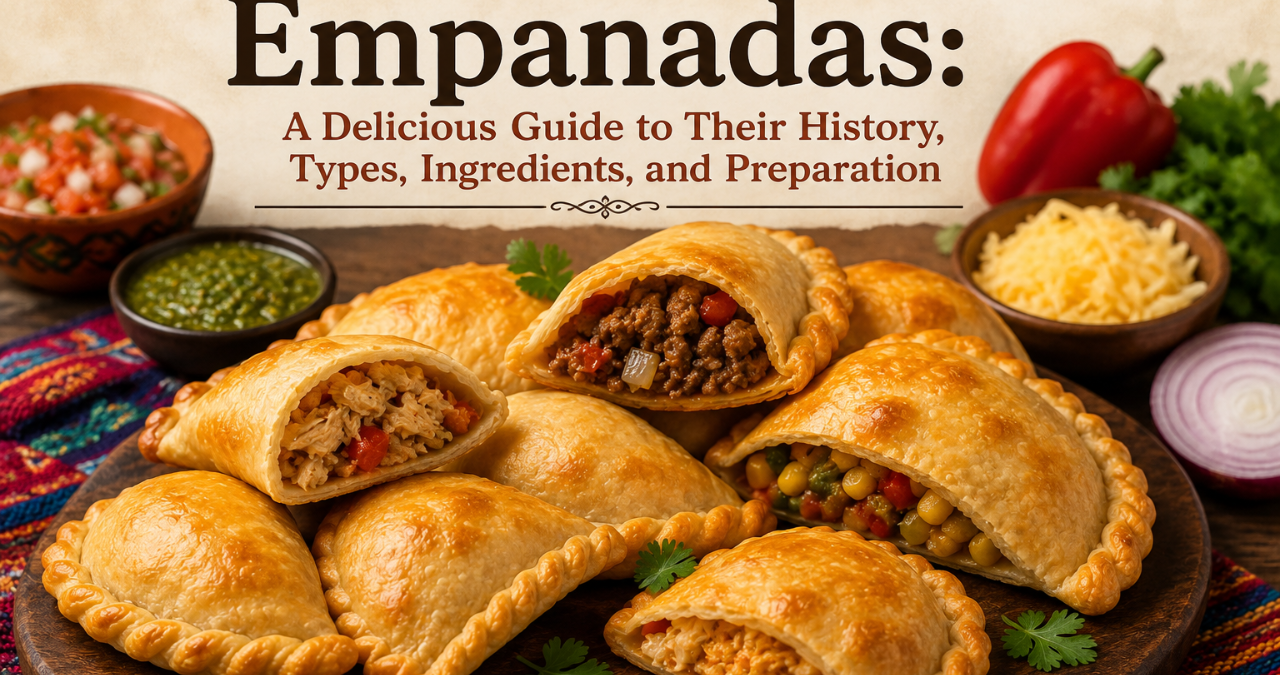

Empanadas are one of the most enjoyable filled pastries in the world. They are made by wrapping dough around a tasty filling and then baking, frying, or cooking the pastry until it becomes golden and delicious. The filling can include meat, chicken, cheese, vegetables, seafood, beans, or even sweet ingredients.
What makes empanadas so special is their incredible variety. A person traveling through South America may find one style in Argentina, another in Colombia, and a completely different version in Chile. Spain, Portugal, the Philippines, and many other places also have their own traditions involving filled pastries.
At first glance, an empanada may look simple. However, behind that golden crust is a rich food history shaped by different cultures, local ingredients, family recipes, and generations of cooks. That’s why empanadas aren’t just convenient snacks. For many people, they’re part of family life, celebrations, street food culture, and national identity.
Whether you’re trying them for the first time or already love them, there’s always something new to discover.
What Are Empanadas?
The word empanada is commonly connected to the Spanish verb empanar, which means to wrap or coat something in bread or dough. In simple terms, an empanada is a stuffed pastry.
The basic idea is easy:
- Prepare a dough.
- Make a flavorful filling.
- Place the filling inside the dough.
- Fold and seal the edges.
- Cook until the pastry is ready.
- Serve warm or at a suitable temperature.
The final shape often looks like a half-moon, although empanadas can also be round, square, rectangular, or shaped in other creative ways.
Their size can vary greatly. Some are small enough to eat in a few bites, while others are large enough to serve as a complete meal.
The crust also changes from place to place. Some versions have a thin and crispy exterior, while others have a thicker, softer, and more bread-like texture.
The History of Empanadas
The history of empanadas stretches across several cultures and centuries. Their exact origin is difficult to assign to one country because similar filled-dough foods developed in different parts of the world.
Filled pastries have existed in various forms for a very long time. Ancient Mediterranean and Middle Eastern cooking traditions included foods made with dough and fillings. Over time, these ideas traveled and changed as people moved between regions.
Spain played an important role in the development and spread of the empanada tradition. Spanish cooks prepared filled pastries using ingredients that were available locally. As Spanish influence reached other parts of the world, related pastry traditions traveled with it.
In Latin America, empanadas became closely connected with local food cultures. Cooks adapted the dough, fillings, spices, and cooking methods according to regional ingredients and customs.
For example:
- Argentina became famous for its many regional varieties.
- Colombia developed popular fried versions, often using corn-based dough.
- Chile developed large baked empanadas with traditional fillings.
- Venezuela created several versions based on corn dough.
- Bolivia developed its own baked and fried pastry traditions.
- Caribbean regions added local ingredients and cooking styles.
So, rather than thinking of the empanada as one fixed recipe, it’s better to see it as a food family with many branches.
Why Empanadas Became So Popular
There are several good reasons why empanadas became popular across different cultures.
First, they’re convenient. A filled pastry can be carried easily and eaten without complicated table settings. This made empanadas useful for workers, travelers, students, and families.
Second, they can turn simple ingredients into a satisfying meal. Leftover meat, vegetables, cheese, or beans can often become part of a flavorful filling.
Third, they’re flexible. A cook doesn’t need to follow one universal recipe. Ingredients can be changed according to taste, budget, season, or location.
Finally, empanadas are social food. Families often make large batches together. Someone prepares the filling, another person prepares the dough, and someone else seals the pastries. Before you know it, the kitchen is buzzing with activity.
That’s part of the charm.
Popular Types of Empanadas
One of the best things about empanadas is their variety. Different countries and regions have developed distinctive versions.
Argentine Empanadas
Argentine empanadas are among the most internationally recognized varieties. They may be baked or fried and can contain a wide range of fillings.
Common fillings include:
- Beef
- Chicken
- Ham and cheese
- Corn
- Spinach
- Cheese
- Onions
- Eggs
- Olives
Argentine regions often have their own styles. Some recipes are mildly seasoned, while others have a stronger flavor.
Colombian Empanadas
Colombian empanadas are commonly made with corn-based dough and are often fried. Their golden, crisp exterior makes them especially popular as street food and snacks.
A traditional filling may include:
- Beef
- Chicken
- Potatoes
- Seasonings
- Vegetables
They’re often served with sauces or fresh toppings that add brightness and flavor.
Chilean Empanadas
Chilean empanadas are famous for being hearty and satisfying. One of the best-known versions contains beef, onions, egg, olives, and other traditional ingredients.
Many Chilean empanadas are baked rather than deep-fried. Their larger size makes them suitable as a meal rather than just a small snack.
Venezuelan Empanadas
Venezuelan empanadas are generally made with corn flour dough. They are often fried and can have a crispy outside with a soft interior.
Popular fillings include:
- Shredded beef
- Chicken
- Cheese
- Black beans
- Fish
- Ham
- Seafood
Their corn-based crust gives them a distinct flavor and texture.
Bolivian Empanadas
Bolivia has several pastry traditions, including baked pastries that are often filled with cheese or meat. Some are sweet or savory, depending on the region and recipe.
These pastries demonstrate how the basic idea of a filled dough can be transformed into something completely different.
A Simple Comparison of Empanada Styles
| Style | Common Dough | Popular Cooking Method | Typical Fillings |
|---|---|---|---|
| Argentine | Wheat-based | Baked or fried | Beef, chicken, cheese |
| Colombian | Corn-based | Fried | Beef, potatoes, chicken |
| Chilean | Wheat-based | Usually baked | Beef, onions, egg, olives |
| Venezuelan | Corn-based | Fried | Cheese, beef, chicken, fish |
| Bolivian | Wheat-based | Baked or fried | Cheese, meat, vegetables |
| Spanish | Wheat-based | Baked | Meat, fish, vegetables |
These are broad examples rather than strict rules. Recipes can vary from one family, city, or region to another.
Common Ingredients Used in Empanadas
A good empanada doesn’t require dozens of ingredients. In fact, some of the best recipes rely on a few well-prepared ingredients.
Dough
The dough creates the outer shell. Wheat flour is common in many varieties, while corn flour is important in several Latin American styles.
Other dough ingredients may include:
- Water
- Salt
- Butter
- Lard
- Oil
- Eggs
- Milk
The exact ingredients depend on the recipe.
Meat
Beef is one of the most popular fillings. Ground beef or finely chopped beef can be cooked with onions, garlic, peppers, herbs, and spices.
Chicken is another favorite. Shredded chicken works especially well because it mixes easily with sauces and vegetables.
Cheese
Cheese adds creaminess and richness. It can be used alone or combined with meat, vegetables, or ham.
Different cheeses create different results. A melting cheese gives the filling a soft texture, while a firmer cheese can provide a stronger flavor.
Vegetables
Vegetables can make empanadas colorful and nutritious. Popular choices include:
- Potatoes
- Corn
- Peppers
- Onions
- Spinach
- Mushrooms
- Carrots
Vegetable fillings can also be useful for people who don’t eat meat.
Seafood
In coastal regions, seafood can become a delicious empanada filling. Fish, shrimp, and other seafood may be mixed with onions, herbs, vegetables, or sauces.
Sweet Fillings
Not every empanada is savory. Sweet versions can contain:
- Apples
- Pumpkin
- Guava
- Chocolate
- Dulce de leche
- Cinnamon
- Sweet cheese
These make wonderful desserts or afternoon treats.
How to Make Empanadas at Home
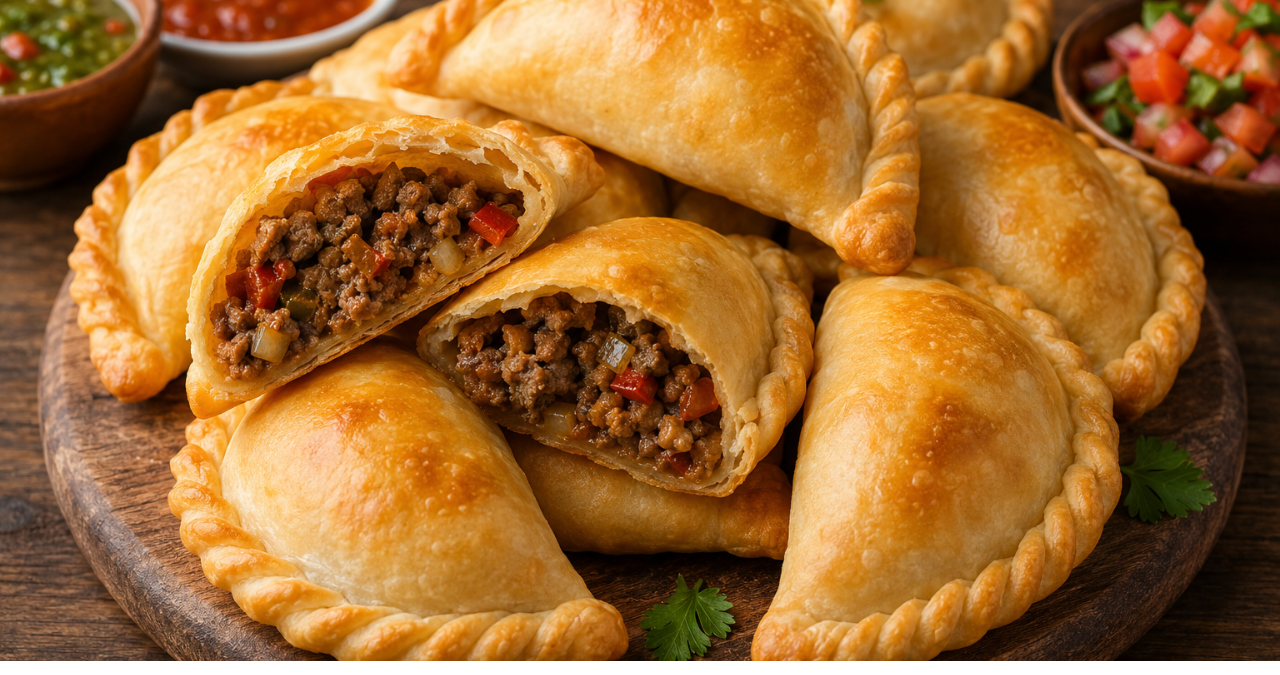
Making empanadas at home can seem difficult at first, but the basic process is quite manageable.
Prepare the Filling
Start by cooking your chosen filling. If you’re using beef, cook it thoroughly with onions and seasonings.
Let the filling cool before putting it into the dough. Hot filling can make the dough difficult to handle and may cause it to become weak.
Prepare the Dough
Mix the flour with the other dough ingredients according to your chosen recipe. Knead until the dough becomes smooth.
Letting the dough rest can make it easier to roll and shape.
Roll the Dough
Roll the dough on a lightly floured surface. It should be thin enough to fold but strong enough to hold the filling.
Cut out circles using a round cutter or another suitable kitchen tool.
Add the Filling
Place a small amount of filling in the center of each dough circle.
Don’t overfill them. It might be tempting to add a mountain of filling, but doing so can make sealing difficult.
Fold and Seal
Fold the dough over the filling to create a half-moon shape.
Press the edges together firmly. You can use your fingers or a fork to create a secure seal.
This step is important because a weak seal can allow the filling to escape during cooking.
Cook the Empanadas
Depending on the recipe, empanadas can be baked or fried.
For baked versions, place them on a baking tray and cook until the crust becomes golden.
For fried versions, carefully cook them in hot oil until crisp and golden.
Always use safe cooking practices when working with hot oil.
Baked vs. Fried Empanadas
One of the biggest choices when making empanadas is whether to bake or fry them.
Baked Empanadas
Baking gives the pastry a firm, golden exterior without requiring deep frying.
Advantages include:
- Less oil
- Easier cleanup
- A lighter texture
- Convenient batch cooking
- Good for larger empanadas
Baked versions can be brushed with beaten egg before cooking to help create an attractive golden surface.
Fried Empanadas
Frying creates a crisp and crunchy exterior.
Advantages include:
- Extra-crispy texture
- Fast cooking
- Traditional street-food appeal
- Delicious contrast between crust and filling
However, frying requires more care because hot oil can cause burns. The oil temperature also needs to be suitable so the outside doesn’t brown too quickly while the inside remains cold.
How to Get a Crispy, Delicious Crust
The crust can make or break an empanada.
Here are some useful tips:
- Don’t make the dough too thick.
- Don’t overfill the pastry.
- Seal the edges carefully.
- Avoid putting very wet filling inside.
- Allow the filling to cool before assembly.
- Use the correct cooking temperature.
- Don’t overcrowd the pan when frying.
- Let baked empanadas cool slightly before serving.
A well-made crust should hold its shape while still providing a pleasant bite.
Best Fillings for Empanadas
Choosing the filling is where creativity really comes into play.
Beef and Onion
Beef and onion make a classic combination. Garlic, cumin, paprika, herbs, and other seasonings can add more flavor.
Chicken and Cheese
Tender chicken combined with melted cheese creates a rich and comforting filling.
Spinach and Cheese
This is a great vegetarian option. Spinach provides a fresh taste, while cheese adds richness.
Potato and Beef
Potatoes can stretch a meat filling while adding a soft texture. This combination is hearty and satisfying.
Mushroom and Cheese
Mushrooms have a deep, savory flavor that works beautifully with melted cheese.
Black Bean and Cheese
Beans provide protein and a creamy texture. Combined with cheese and spices, they make a satisfying meat-free option.
Apple and Cinnamon
For dessert empanadas, apple and cinnamon are a simple but delicious pairing.
How Empanadas Fit Into Different Meals
Empanadas can be served at almost any time of day.
Breakfast
A small empanada filled with egg, cheese, or vegetables can make a filling breakfast.
Lunch
Larger meat or vegetable empanadas can be served with salad, soup, or fresh vegetables.
Dinner
Several empanadas with different fillings can create a fun family meal.
Snacks
Small empanadas are excellent for afternoon snacks, parties, and gatherings.
Parties and Celebrations
Empanadas are especially useful for events because they can be prepared in batches. Guests can choose different fillings, making the meal more interesting.
Healthy Ways to Enjoy Empanadas
Although empanadas can be rich, there are ways to make them part of a balanced diet.
Try these ideas:
- Choose baked instead of fried versions.
- Add vegetables to the filling.
- Use lean meat.
- Control the amount of cheese.
- Avoid excessive salt.
- Serve with a fresh salad.
- Choose smaller portions.
- Use homemade fillings so you know what’s inside.
Remember, healthy eating isn’t about completely avoiding enjoyable foods. Balance matters.
Common Mistakes When Making Empanadas
Even experienced cooks can run into problems. Luckily, most mistakes are easy to fix.
Overfilling
Too much filling can make the pastry difficult to close.
Solution: Use a moderate amount and leave enough space around the edges.
Wet Filling
A watery filling can make the dough soggy.
Solution: Cook the filling until excess liquid has evaporated and allow it to cool.
Poor Sealing
If the edges aren’t sealed correctly, the filling may leak.
Solution: Press the edges firmly and check each pastry before cooking.
Dough That Is Too Thick
Thick dough can overwhelm the filling.
Solution: Roll it evenly and aim for a thin but sturdy layer.
Dough That Is Too Thin
Very thin dough may tear.
Solution: Handle it carefully and avoid adding too much filling.
Sauces and Side Dishes for Empanadas
The right sauce can make a good empanada even better.
Popular choices include:
- Salsa
- Chimichurri
- Tomato-based sauces
- Garlic sauce
- Avocado-based sauces
- Spicy pepper sauces
- Yogurt-based sauces
For side dishes, consider:
- Green salad
- Tomato salad
- Roasted vegetables
- Rice
- Beans
- Fresh fruit
- Soup
The best pairing depends on the empanada’s filling and regional tradition.
Empanadas as Street Food
Across many countries, empanadas are an important part of street-food culture.
Street vendors can prepare them in large numbers and sell them as quick meals or snacks. Customers can eat them while walking, working, traveling, or meeting friends.
This convenience has helped empanadas remain popular for generations.
Street food also encourages creativity. Vendors may develop special fillings that reflect local tastes. One neighborhood might favor spicy meat, while another may prefer cheese, vegetables, or seafood.
That’s the beauty of street food: it keeps traditional ideas alive while allowing them to evolve.
Empanadas and Family Traditions
Food often carries memories, and empanadas are no exception.
In many families, preparing them is a group activity. Parents may teach children how to make dough, grandparents may share secret filling recipes, and relatives may gather around a table to fold and seal each pastry.
A family recipe doesn’t have to be written in a cookbook to be valuable. Sometimes the most important instructions are passed from one generation to another.
A grandmother might say, “Add just enough seasoning,” while an experienced cook knows exactly what that means.
These small traditions give food a personal meaning that goes beyond taste.
How Restaurants Are Reinventing Empanadas
Modern restaurants and food businesses have taken the traditional empanada and given it new twists.
Chefs may experiment with:
- International spices
- Vegetarian fillings
- Vegan ingredients
- Gourmet cheeses
- New seafood combinations
- Fusion recipes
- Dessert fillings
- Different doughs
For example, a chef might combine traditional Latin American ingredients with flavors from another cuisine.
This doesn’t necessarily replace traditional recipes. Instead, it shows how flexible the basic empanada idea can be.
Traditional and modern versions can happily exist side by side.
Empanadas Around the World
Although they are strongly associated with Spain and Latin America, filled pastries can be found in many cultures.
Similar concepts appear in different cuisines, even when the foods have different names.
This reveals something fascinating about cooking: people in different places often develop similar solutions to everyday needs.
Wrap food in dough, cook it, and you’ve got something portable, satisfying, and easy to share.
The ingredients may change, but the basic idea remains wonderfully familiar.
Tips for Buying Good Empanadas
If you’re buying empanadas rather than making them yourself, a few signs can help you choose a good one.
Look for:
- A properly cooked crust
- A secure seal
- A pleasant aroma
- A balanced filling
- Fresh ingredients
- A crust that isn’t overly greasy
- Filling that isn’t excessively watery
If possible, ask what the filling contains. This is especially useful if you have food allergies or dietary restrictions.
Freshness matters, too. A freshly prepared empanada generally offers a better texture and flavor than one that has been sitting around for too long.
Storing and Reheating Empanadas
If you’ve made more empanadas than you can eat, don’t worry. They can usually be stored carefully for later.
Allow cooked empanadas to cool appropriately before storing them. Keep them in a suitable airtight container and refrigerate them if they contain perishable fillings.
When reheating, an oven or air fryer can help restore some of the crispness of the crust. Microwaving is convenient, but it may make the pastry softer.
For longer storage, empanadas can also be prepared for freezing, depending on the recipe. Proper packaging helps prevent freezer damage and protects their quality.
Vegetarian and Vegan Empanadas
There’s no rule saying an empanada needs meat.
Vegetarian versions can include:
- Spinach
- Cheese
- Corn
- Potatoes
- Mushrooms
- Peppers
- Beans
- Lentils
Vegan versions can use plant-based dough and fillings made from vegetables, beans, lentils, mushrooms, or plant-based proteins.
When preparing food for people with dietary restrictions, always check the ingredients in the dough, sauces, and fillings.
Why Empanadas Are More Than Just Food
At their heart, empanadas represent creativity, tradition, and adaptation.
A basic pastry can tell a story about migration, local agriculture, family traditions, and cultural exchange. The ingredients often reveal what people have available in their region.
A potato-based filling tells a different story from a seafood filling. A corn dough reflects different agricultural traditions from a wheat-based crust.
And yet, all these foods share the same central concept: delicious filling surrounded by dough.
That’s pretty remarkable for such a simple idea.
Frequently Asked Questions About Empanadas
What are empanadas made of?
Empanadas are generally made with a dough shell and a filling. The dough may contain wheat flour or corn flour, while fillings can include meat, chicken, cheese, vegetables, beans, seafood, or sweet ingredients.
Are empanadas baked or fried?
They can be either. Some regional varieties are traditionally baked, while others are commonly fried.
Are empanadas healthy?
They can be part of a balanced diet. Baked versions with vegetables, lean proteins, and moderate amounts of cheese can be a reasonable choice.
Can empanadas be vegetarian?
Yes. Vegetable, bean, lentil, mushroom, spinach, and cheese fillings are popular choices.
Can empanadas be sweet?
Absolutely. Dessert empanadas can contain fruit, chocolate, sweet cheese, guava, pumpkin, or other sweet fillings.
Which country is famous for empanadas?
Many countries are famous for their own versions. Argentina, Colombia, Chile, Venezuela, Bolivia, and Spain all have strong empanada traditions.
Can I freeze empanadas?
Many empanadas can be frozen when properly prepared and packaged. The best freezing method depends on the recipe and whether they are raw or already cooked.
Final Thoughts on Empanadas
Empanadas are a wonderful example of how simple food can become a powerful part of culture and tradition. Their golden crust and flavorful filling make them enjoyable, but their real appeal goes deeper. They connect families, regions, and generations through recipes that continue to change and grow.
From crispy Colombian-style pastries to hearty Argentine versions and corn-based Venezuelan varieties, there’s no single way to make the perfect empanada. That’s good news because it means there’s plenty of room for discovery.
You can enjoy them as a snack, serve them at a family gathering, prepare them for a party, or make them into a complete meal with fresh side dishes. You can follow a traditional recipe or create something completely new.
Most importantly, empanadas show us that great food doesn’t have to be complicated. With good dough, a flavorful filling, careful preparation, and a little creativity, an ordinary meal can become something memorable.