
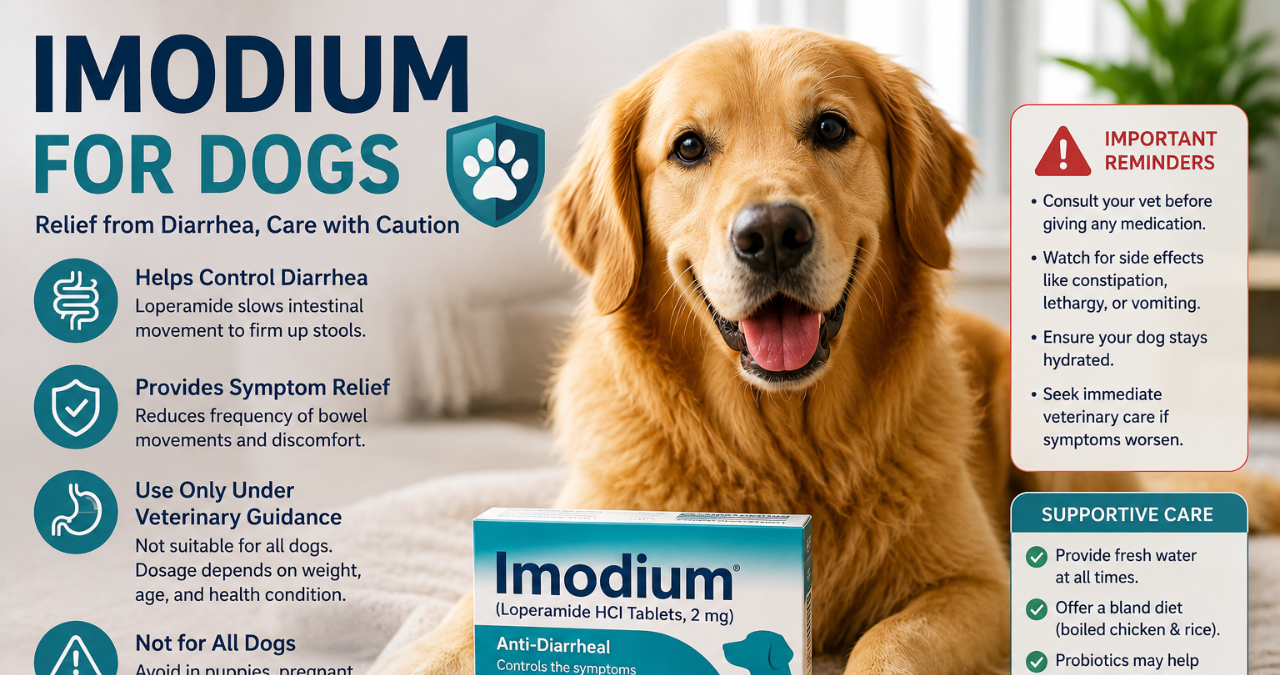

Imodium for dogs is a topic that many pet owners search for when their furry friend develops diarrhea or an upset stomach. Seeing your dog uncomfortable can be worrying, and it’s natural to look for quick solutions. However, before giving any medication, it is important to understand how it works, when it may be appropriate, and when veterinary care is necessary.
This detailed guide explains everything you need to know about imodium for dogs, including its uses, benefits, risks, side effects, dosage considerations, and safer alternatives. By the end of this article, you’ll have a clear understanding of whether this medication may be suitable for your pet and how to handle digestive issues responsibly.
Understanding What Imodium Is
Imodium is the brand name for loperamide, an over-the-counter medication commonly used to treat diarrhea in humans. It works by slowing down the movement of the intestines, allowing more water to be absorbed from food and waste.
As a result, stools become firmer and bowel movements occur less frequently.
Veterinarians sometimes recommend loperamide for certain dogs experiencing mild diarrhea. However, it is not suitable for every dog or every digestive problem.
Key Facts About Imodium
| Feature | Details |
|---|---|
| Generic Name | Loperamide |
| Brand Name | Imodium |
| Main Purpose | Controls diarrhea |
| Drug Type | Anti-diarrheal |
| Available Forms | Capsules, tablets, liquid |
| Prescription Required | Usually no |
| Suitable for All Dogs | No |
Understanding these basics is the first step when considering imodium for dogs.
Why Dogs Develop Diarrhea
Before reaching for medication, it helps to understand what might be causing your dog’s digestive upset.
Dogs can develop diarrhea for many reasons, including:
- Eating spoiled food
- Sudden diet changes
- Food allergies
- Stress and anxiety
- Intestinal parasites
- Viral infections
- Bacterial infections
- Medication side effects
- Inflammatory bowel disease
- Toxin ingestion
Sometimes diarrhea is mild and resolves within a day. Other times it may signal a more serious medical condition that requires professional treatment.
Because of this, identifying the cause is often more important than simply stopping the symptoms.
How Imodium for Dogs Works
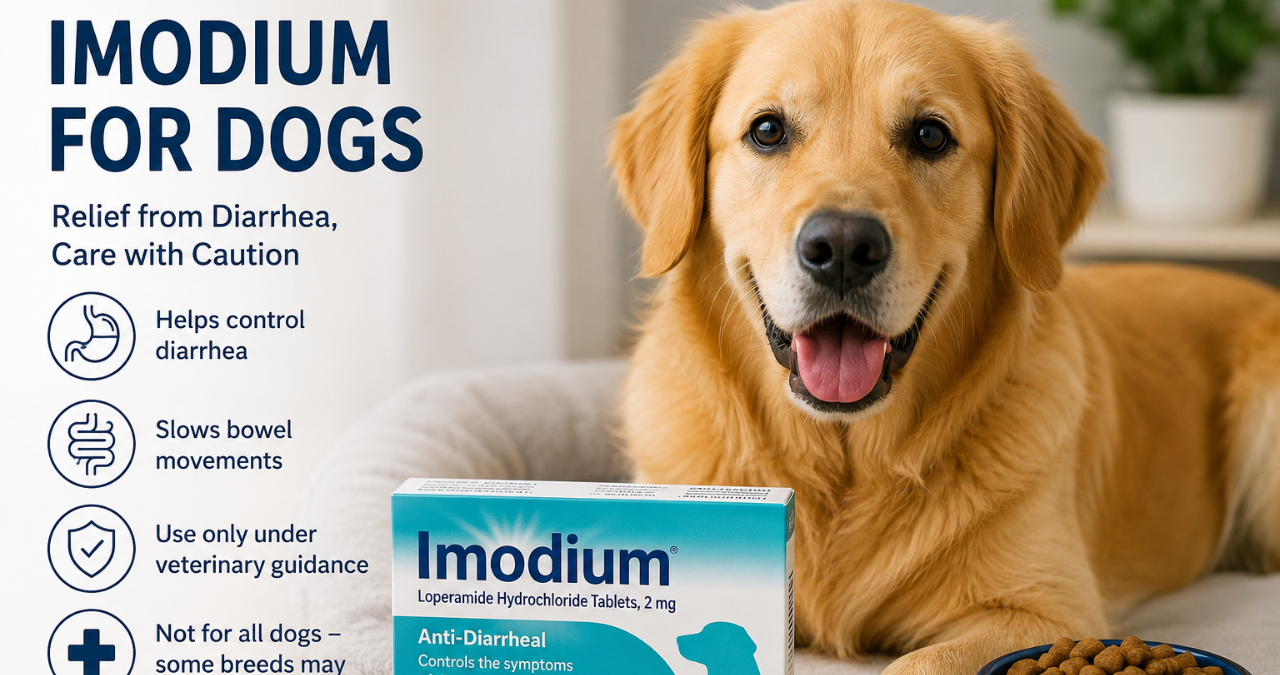
When veterinarians recommend imodium for dogs, the medication works by slowing intestinal movement.
Normally, food and waste move through the digestive tract at a steady pace. During diarrhea, the intestines become overactive, causing rapid bowel movements and loose stools.
Loperamide helps by:
- Reducing intestinal contractions
- Slowing waste movement
- Increasing water absorption
- Producing firmer stools
- Decreasing the frequency of bowel movements
This can provide temporary relief while the dog’s digestive system recovers.
However, if diarrhea is caused by toxins or infectious organisms, slowing the intestines may not always be beneficial. In some cases, the body needs to eliminate harmful substances naturally.
When Veterinarians May Recommend Imodium for Dogs
There are situations where imodium for dogs may be considered appropriate.
Veterinarians sometimes use it for:
Mild Acute Diarrhea
A short-term digestive upset caused by dietary indiscretion or stress.
Chronic Digestive Conditions
Some dogs with ongoing intestinal disorders may benefit from carefully monitored treatment.
Travel-Related Stomach Upset
Certain dogs experience digestive disturbances during travel.
Temporary Symptom Relief
The medication may be used while veterinarians investigate the underlying cause.
Even in these cases, professional guidance remains important.
Dogs That Should Not Take Imodium
Not every dog is a good candidate for this medication.
Certain breeds and health conditions can make loperamide risky.
Dog Breeds With MDR1 Gene Mutation
Some breeds carry a genetic mutation that affects how drugs are processed.
These breeds may include:
- Australian Shepherds
- Border Collies
- Shetland Sheepdogs
- Old English Sheepdogs
- Collie breeds
- Long-haired Whippets
Dogs with this mutation may experience severe neurological side effects.
Puppies
Young puppies can become dehydrated quickly and often need veterinary evaluation rather than symptom suppression.
Dogs With Certain Medical Conditions
Avoid use unless approved by a veterinarian if your dog has:
- Liver disease
- Kidney disease
- Respiratory disorders
- Head trauma
- Intestinal blockage
- Severe infections
Pregnant or Nursing Dogs
Extra caution is required because medication effects may impact developing puppies.
Potential Benefits of Imodium for Dogs
When used appropriately under veterinary guidance, imodium for dogs may offer several benefits.
Faster Relief
Many dogs experience fewer bowel movements within hours.
Improved Comfort
Reducing diarrhea can decrease abdominal discomfort.
Better Hydration
Less fluid loss may help maintain hydration levels.
Easier Management
Owners often find it easier to care for dogs experiencing fewer accidents.
Support During Recovery
The medication can provide temporary symptom control while the underlying issue resolves.
Although these benefits can be helpful, they should always be weighed against potential risks.
Possible Side Effects of Imodium for Dogs
Like all medications, loperamide may cause side effects.
Common side effects include:
- Constipation
- Bloating
- Gas
- Drowsiness
- Mild sedation
More serious reactions can occur in sensitive dogs.
Severe Side Effects
Seek veterinary attention if you notice:
- Extreme lethargy
- Difficulty breathing
- Vomiting
- Loss of coordination
- Swollen abdomen
- Severe constipation
- Collapse
Fortunately, severe reactions are uncommon when the medication is used correctly.
Understanding Dosage Considerations
One of the biggest concerns with imodium for dogs is dosage accuracy.
Dosage depends on several factors:
- Body weight
- Breed
- Age
- Health condition
- Other medications
- Severity of symptoms
Because these factors vary widely, pet owners should avoid guessing or using human dosing instructions.
Why Professional Guidance Matters
Human medications may contain additional ingredients that are unsafe for dogs.
Liquid products, flavored tablets, and combination medications can present additional risks.
For this reason, always consult your veterinarian before administering any medication.
Natural Alternatives to Imodium for Dogs
In some cases, supportive care may be enough for mild digestive upset.
Temporary Fasting
Veterinarians may recommend withholding food for a short period in healthy adult dogs.
Bland Diet
Common options include:
- Boiled chicken
- Plain white rice
- Plain turkey
- Pumpkin puree
Increased Hydration
Fresh water should always be available.
Probiotics
Veterinary-approved probiotics may help restore healthy intestinal bacteria.
Prescription Diets
Special digestive formulas are available for dogs with sensitive stomachs.
These alternatives may provide relief without requiring anti-diarrheal medication.
Signs That Require Immediate Veterinary Care
While mild diarrhea may resolve on its own, certain symptoms require urgent attention.
Contact a veterinarian immediately if your dog experiences:
- Bloody diarrhea
- Black stools
- Severe vomiting
- High fever
- Collapse
- Weakness
- Dehydration
- Refusal to eat
- Painful abdomen
- Persistent diarrhea lasting more than 24–48 hours
These symptoms may indicate a serious underlying condition.
Never rely solely on imodium for dogs when emergency symptoms are present.
Preventing Future Digestive Problems
Prevention is often easier than treatment.
Feed a Consistent Diet
Frequent food changes can upset the digestive system.
Avoid Table Scraps
Human foods are a common trigger for digestive issues.
Use Quality Dog Food
Balanced nutrition supports healthy digestion.
Keep Trash Secure
Many cases of diarrhea occur after dogs eat garbage.
Schedule Regular Veterinary Visits
Routine checkups help detect health problems early.
Parasite Prevention
Regular deworming and parasite control are essential.
These simple habits can significantly reduce digestive problems.
Common Myths About Imodium for Dogs
Many misconceptions exist regarding anti-diarrheal medications.
Myth: It Is Safe for Every Dog
Reality: Some breeds and medical conditions make it unsafe.
Myth: More Medication Works Faster
Reality: Overdosing can be dangerous.
Myth: Diarrhea Is Always Minor
Reality: It can signal serious illness.
Myth: Human and Canine Dosing Are the Same
Reality: Dogs process medications differently.
Myth: Medication Fixes the Underlying Problem
Reality: It only addresses symptoms in many cases.
Understanding the facts helps owners make safer decisions.
What Veterinarians Consider Before Recommending Imodium
Veterinarians evaluate several factors before recommending treatment.
These may include:
- Age of the dog
- Breed history
- Medical conditions
- Duration of symptoms
- Severity of diarrhea
- Current medications
- Hydration status
- Recent dietary changes
This comprehensive assessment helps determine whether loperamide is appropriate.
That is why self-treatment should never replace professional veterinary advice.
Frequently Asked Questions About Imodium for Dogs
Can Dogs Take Human Imodium?
Sometimes veterinarians approve its use, but only after evaluating the dog’s health and circumstances.
How Quickly Does It Work?
Many dogs show improvement within several hours, although results vary.
Can Puppies Take It?
Puppies generally require veterinary evaluation rather than home treatment.
What If My Dog Vomits After Taking It?
Contact your veterinarian for guidance.
Is It Safe for Long-Term Use?
Long-term use should only occur under veterinary supervision.
Can It Cure Diarrhea?
No. It may control symptoms, but it does not necessarily treat the underlying cause.
Creating a Safe Plan for Digestive Health
If your dog develops diarrhea, remain calm and observe carefully.
Monitor:
- Stool consistency
- Frequency of bowel movements
- Appetite
- Water intake
- Energy level
- Presence of blood
- Vomiting
These observations help veterinarians determine the best treatment plan.
Keeping a record of symptoms can be surprisingly useful during consultations.
Final Thoughts on Imodium for Dogs
Imodium for dogs can sometimes be a helpful tool for managing mild diarrhea, but it is not a one-size-fits-all solution. While the medication may reduce intestinal activity and provide temporary relief, it is not appropriate for every dog, every breed, or every digestive problem.
Responsible pet ownership means looking beyond symptoms and identifying the underlying cause of digestive upset. Veterinary guidance is especially important because factors such as breed, age, medical history, and current health status all influence whether imodium for dogs is a safe choice.
If your dog experiences mild digestive discomfort, supportive care, hydration, and a bland diet may be enough. However, severe symptoms, persistent diarrhea, blood in the stool, vomiting, or signs of dehydration should never be ignored. In such situations, professional veterinary care is the safest path forward.
By understanding the benefits, risks, and proper use of imodium for dogs, pet owners can make informed decisions that support their dog’s comfort, health, and long-term well-being.