
Chicha venezolana is one of Venezuela’s most loved traditional drinks. Thick, creamy, sweet, and refreshing, this popular beverage has a special place in Venezuelan food culture. It is often enjoyed by children, adults, families, and visitors who want to taste something simple yet full of local character.
Unlike some types of chicha found in other parts of Latin America, Venezuelan chicha is commonly made from rice, milk, sugar, and warm spices. The result is a smooth drink with a rich texture and gentle sweetness. Many people enjoy it cold, especially on warm days, while others see it as a comforting homemade treat.
What makes chicha venezolana so interesting is its combination of simplicity and tradition. The basic ingredients are easy to find, but the finished drink can feel special when prepared with care. It can be served at home, sold by street vendors, enjoyed at family gatherings, or prepared as a festive drink.
This guide explores the history, ingredients, preparation, cultural importance, nutritional considerations, serving ideas, and modern variations of chicha venezolana. Whether you are discovering it for the first time or already love it, there is plenty to learn about this delicious Venezuelan classic.
What Is Chicha Venezolana?
Chicha venezolana is a traditional Venezuelan rice-based drink that is usually creamy, sweet, and served cold. Rice is cooked until soft and is then blended with milk, sugar, and other ingredients to create a thick beverage.
Many versions include cinnamon or vanilla for extra flavor. Some recipes also use condensed milk, evaporated milk, or powdered milk to create a richer taste and texture.
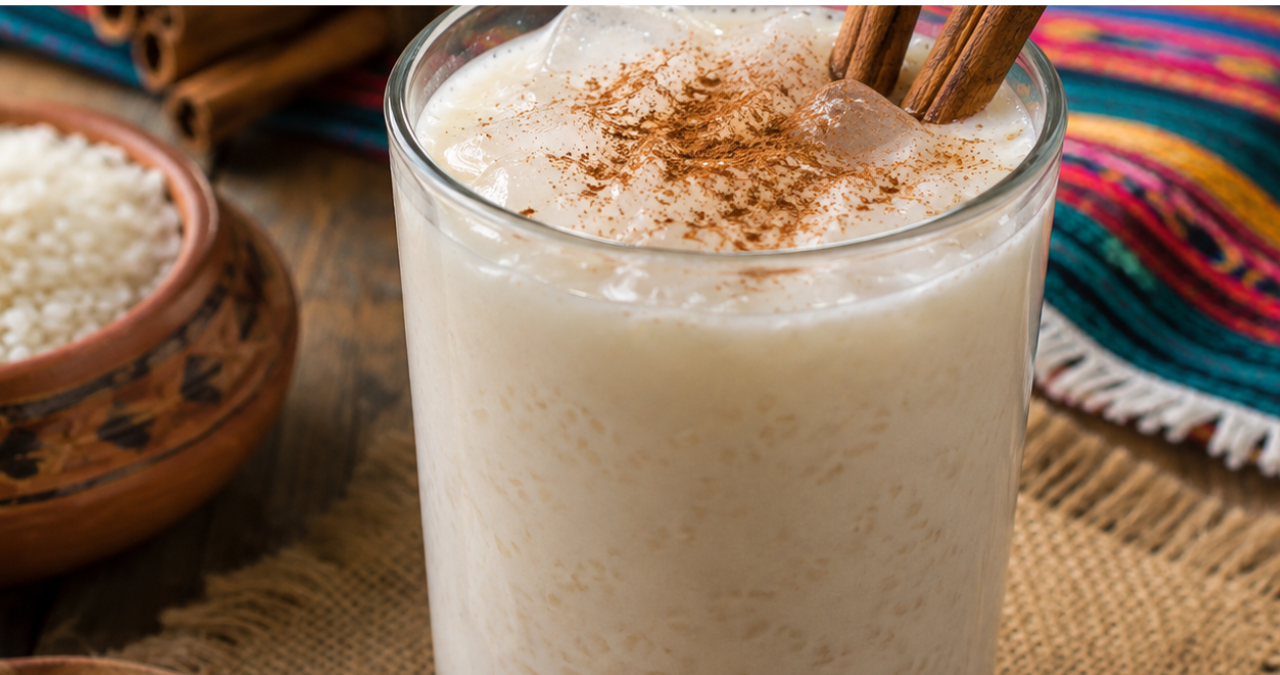
The drink is often served in a tall glass with plenty of ice. A generous sprinkle of ground cinnamon may be added on top. Some sellers also add condensed milk, whipped cream, or other toppings, making the drink look almost like a dessert in a glass.
A typical glass can have:
- A creamy white or pale color
- A smooth and thick texture
- A sweet milk-and-rice flavor
- A gentle cinnamon or vanilla aroma
- A refreshing chilled temperature
Although recipes vary from one household to another, the basic idea remains the same: turn simple ingredients into a comforting and enjoyable drink.
The Cultural Story Behind Chicha Venezolana
The word “chicha” has a long history in Latin America and is connected with several traditional grain-based beverages. Different countries have developed their own versions, and these drinks aren’t always made in the same way.
In Venezuela, the version most commonly known today is a sweet, creamy rice drink. It has become strongly connected with everyday Venezuelan food culture.
Traditional foods often change as they move through generations. Families adjust recipes based on available ingredients, personal taste, and regional customs. That’s part of what makes chicha venezolana so fascinating.
One family might prefer a thicker drink, while another may make it lighter. Some people like plenty of cinnamon, while others prefer vanilla. Some versions are very rich because they contain condensed milk, while homemade recipes may use fewer ingredients.
This flexibility has helped the drink remain popular.
Why Chicha Venezolana Is So Popular
There are several reasons why chicha venezolana continues to attract people.
First, it is comforting. The combination of rice and milk creates a flavor that many people associate with homemade food and family memories.
Second, it is easy to customize. You don’t have to follow one rigid recipe. You can change the sweetness, thickness, and spices according to your preference.
Third, the ingredients are relatively simple. Rice, milk, sugar, cinnamon, and vanilla can create a delicious result without requiring expensive or unusual products.
Finally, it works in many situations. You can enjoy it as:
- A refreshing afternoon drink
- A homemade dessert
- A family gathering beverage
- A festive treat
- A street-food experience
- A sweet drink after a meal
- A special childhood favorite
In other words, chicha venezolana doesn’t need a fancy occasion to shine.
Traditional Ingredients Used in Chicha Venezolana
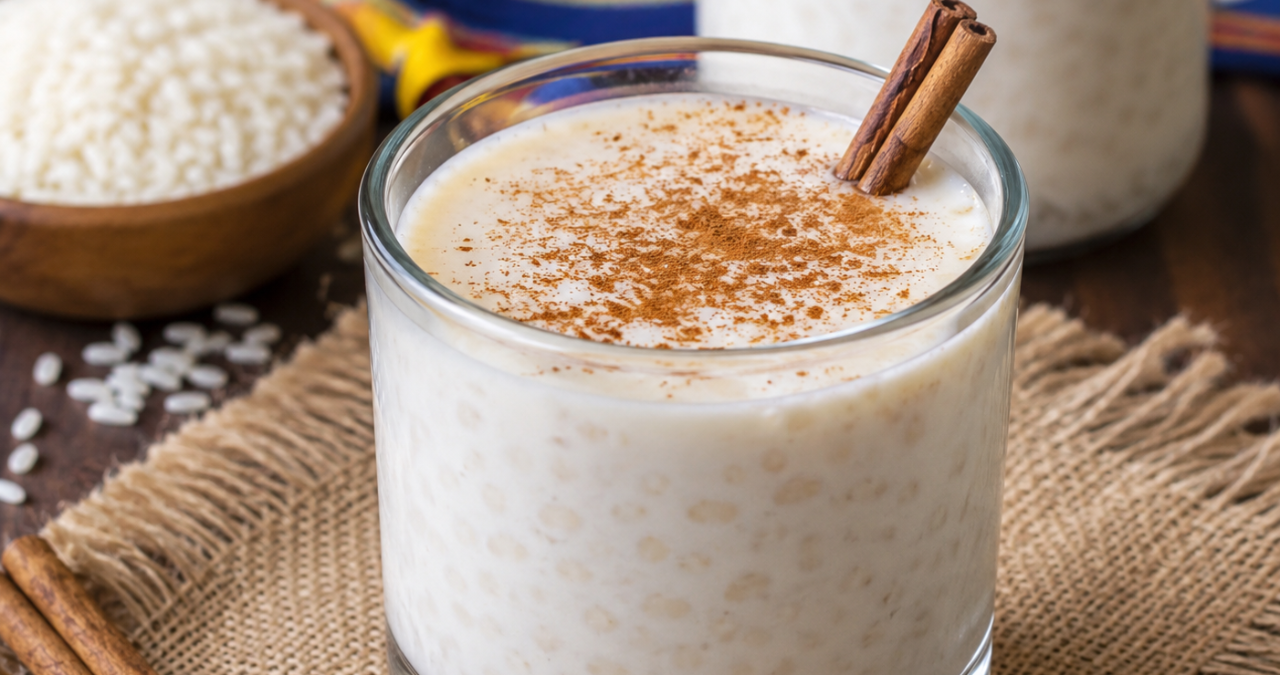
One of the best things about chicha venezolana is its simple ingredient list. While recipes differ, several ingredients appear frequently.
| Ingredient | Common Purpose |
|---|---|
| Rice | Creates the main body and creamy texture |
| Milk | Adds richness and a smooth flavor |
| Sugar | Provides sweetness |
| Cinnamon | Gives a warm, aromatic taste |
| Vanilla | Adds a pleasant sweet aroma |
| Water | Used for cooking and adjusting consistency |
| Condensed milk | Adds extra sweetness and creaminess |
| Ice | Helps create a refreshing cold drink |
Rice is the foundation of the drink. It provides the starch that gives chicha its characteristic thickness.
Milk brings richness and a soft flavor. Sugar is added according to taste, while cinnamon and vanilla provide familiar dessert-like aromas.
Condensed milk isn’t necessary for every recipe, but it is a popular addition when people want a particularly rich and sweet version.
How Chicha Venezolana Is Traditionally Prepared
Making chicha venezolana at home is fairly straightforward, although achieving the perfect texture takes a little patience.
The process usually begins by washing the rice. The rice is then cooked with water until it becomes very soft. This step is important because hard rice won’t blend smoothly.
After cooking, the rice is allowed to cool somewhat. It can then be blended with milk and other ingredients.
A basic preparation method looks like this:
- Wash the rice thoroughly.
- Cook it in water until very soft.
- Allow the cooked rice to cool.
- Blend the rice with milk.
- Add sugar according to taste.
- Add cinnamon or vanilla.
- Blend until the mixture becomes smooth.
- Adjust the thickness with additional milk or water.
- Chill the drink.
- Serve over ice.
- Add cinnamon or other toppings if desired.
The final consistency is a matter of personal preference. Some people enjoy an extremely thick chicha, almost like a drinkable pudding. Others prefer a smoother and lighter version.
The Importance of Texture
Texture is one of the defining characteristics of chicha venezolana.
A well-made chicha should feel smooth and creamy rather than gritty. The rice should be cooked thoroughly before blending so it can become part of the drink instead of remaining as hard pieces.
The ideal texture depends on the person drinking it.
For a thicker version, more cooked rice can be used. For a lighter drink, additional milk or water can be added. Blending for enough time also helps create a smoother result.
If your first batch doesn’t have the perfect texture, don’t throw in the towel. Small adjustments can make a big difference.
For example:
- Too thick? Add milk gradually.
- Too thin? Add more cooked rice.
- Too sweet? Add more unsweetened milk.
- Not sweet enough? Add a little more sugar.
- Not flavorful enough? Try cinnamon or vanilla.
- Too warm? Refrigerate it before serving.
Popular Ways to Serve Chicha Venezolana
Presentation can make chicha venezolana even more enjoyable.
The most common approach is to serve the drink cold in a glass. Ice keeps it refreshing, particularly in hot weather.
Cinnamon is one of the most popular toppings. A small dusting over the surface adds color and fragrance.
Some modern versions may include:
- Condensed milk drizzled on top
- Ground cinnamon
- Whipped cream
- Extra crushed ice
- Vanilla flavoring
- Decorative toppings
Street vendors and specialty drink shops may serve especially large portions. These versions are often rich and sweet and can feel more like a dessert than an ordinary beverage.
At home, however, many families keep the presentation simple. A cold glass, a little cinnamon, and a good conversation can be all that’s needed.
Chicha Venezolana and Family Traditions
Food isn’t only about taste. It can also carry memories from one generation to another.
For many Venezuelan families, chicha venezolana can remind people of childhood, family outings, school days, celebrations, or weekends spent together.
Parents and grandparents may have their own preferred recipe. Some recipes are written down, while others are remembered by watching someone prepare the drink.
This kind of cooking knowledge is valuable because it keeps culinary traditions alive.
A young person learning to prepare chicha from an older family member isn’t simply learning a recipe. They are also learning about:
- Family traditions
- Venezuelan food culture
- Local flavors
- Cooking skills
- Hospitality
- The importance of sharing food
That’s why traditional beverages deserve attention. They tell stories in a very practical way.
Regional and Personal Variations
There isn’t just one universal recipe for chicha venezolana.
Venezuelan cuisine has regional diversity, and individual households naturally create their own variations.
Some cooks prefer a very thick consistency. Others make it more fluid. Some add plenty of cinnamon, while others use vanilla as the main flavor.
The sweetness can also change dramatically.
A simple homemade version might contain only rice, milk, sugar, and cinnamon. A richer version may include condensed milk and additional dairy ingredients.
Some people also experiment with modern ingredients and toppings. These changes can make the traditional drink appealing to younger generations while keeping its basic identity.
The key is balance. A good variation should still preserve the creamy rice-based character that makes Venezuelan chicha recognizable.
Is Chicha Venezolana a Dessert or a Drink?
Interestingly, chicha venezolana can feel like both.
Technically, it is a beverage. It is served in a glass and consumed as a drink.
However, its thick texture and sweet flavor make it similar to a liquid dessert. A rich glass of chicha can be satisfying enough to replace a sweet treat after a meal.
This dual nature is one reason it is so appealing.
You can have a small glass as a dessert or enjoy a larger serving as a refreshing snack. It all depends on how it is prepared and served.
Nutritional Considerations
While chicha venezolana can be delicious, it is important to remember that many traditional recipes are relatively high in sugar and calories.
Rice provides carbohydrates, while milk contributes protein, fat, and nutrients such as calcium. However, added sugar and condensed milk can increase the total sugar content.
A homemade version gives you more control over the ingredients.
For a lighter recipe, you can consider:
- Reducing the amount of added sugar
- Using less condensed milk
- Choosing lower-fat milk if appropriate
- Serving a smaller portion
- Avoiding excessive sweet toppings
These changes don’t have to remove the traditional character of the drink. In fact, adjusting sweetness can help you taste the natural combination of rice, milk, cinnamon, and vanilla more clearly.
People with specific dietary needs should always consider the ingredients used in their particular recipe.
Chicha Venezolana Compared With Other Chicha Drinks
The word “chicha” can sometimes cause confusion because many Latin American countries have their own traditional chicha beverages.
These drinks can differ in:
- Main ingredients
- Preparation methods
- Fermentation
- Flavor
- Texture
- Cultural history
- Serving style
For example, some traditional chicha beverages in Latin America are grain-based and fermented. Venezuelan rice chicha, as commonly enjoyed today, is generally a sweet, non-fermented drink.
This difference is important.
When someone orders chicha venezolana, they are usually looking for the creamy Venezuelan rice beverage rather than a fermented grain drink.
Understanding these regional differences makes Latin American food culture even more interesting.
How to Make a Simple Homemade Version
If you want to prepare chicha venezolana at home, you don’t need complicated equipment.
Basic ingredients
For a simple batch, you can use:
- 1 cup of white rice
- Water for cooking
- Milk as needed
- Sugar according to taste
- A small amount of cinnamon
- A little vanilla
- Ice for serving
Basic method
Start by washing the rice. Cook it in enough water until it becomes very soft. This may take some time, so don’t rush the process.
Once the rice has softened, allow it to cool. Put the cooked rice into a blender and gradually add milk.
Blend until smooth.
Add sugar, cinnamon, and vanilla. Continue blending until the drink reaches the texture you like.
If it is too thick, add more milk. If it is too thin, you can blend in a little more cooked rice.
Chill the drink before serving.
Finally, pour it over ice and sprinkle a little cinnamon on top.
The result should be creamy, sweet, and refreshing.
Tips for Making Better Chicha Venezolana
A few simple techniques can improve your homemade drink.
Cook the rice thoroughly
Soft rice blends much better than undercooked rice. Don’t rush this stage.
Blend carefully
Give the mixture enough time in the blender to become smooth. Depending on your blender, you may need to blend in batches.
Add liquid slowly
It’s easier to thin a thick drink than to fix a drink that has become too watery. Add milk gradually.
Control the sweetness
Start with a smaller amount of sugar and taste the mixture. You can always add more.
Chill before serving
Cold chicha usually tastes more refreshing. Refrigerating it also allows the flavors to settle.
Use cinnamon wisely
Cinnamon should enhance the drink rather than overpower the delicate rice-and-milk flavor.
Common Mistakes to Avoid
Even a simple recipe can go wrong if a few details are overlooked.
Here are common mistakes:
- Using undercooked rice
- Adding too much liquid at once
- Making the drink excessively sweet
- Failing to blend the rice properly
- Serving it warm when a cold version is preferred
- Using too much cinnamon
- Adding too many toppings that hide the original flavor
Another common problem is making the drink too thick. While a rich consistency is desirable, it should still be easy to drink.
Remember, there is no need to make the recipe complicated. The charm of chicha venezolana comes from its straightforward ingredients and comforting flavor.
When Is the Best Time to Enjoy Chicha Venezolana?
There is no strict rule about when to drink chicha venezolana.
It can be enjoyed at almost any time.
Many people like it during the afternoon, especially when they want something cold and sweet. It can also be served during gatherings and celebrations.
Some occasions where chicha can fit beautifully include:
- Family parties
- Cultural celebrations
- Weekend meals
- Afternoon snacks
- Community events
- Food festivals
- Casual gatherings
- Homemade dessert time
On a hot day, a chilled glass can be particularly satisfying.
Chicha Venezolana in Modern Food Culture
Traditional foods don’t have to remain frozen in the past. They can grow while keeping their roots.
Today, chicha venezolana can be found in different settings, from homes and street stalls to restaurants and specialty beverage businesses.
Modern cooks may experiment with presentation and flavors while preserving the core ingredients.
Social media has also helped traditional foods reach wider audiences. A beautifully presented glass of creamy chicha can attract people who have never tasted it before.
This exposure can encourage cultural appreciation and curiosity.
For Venezuelans living outside Venezuela, traditional foods can also provide a meaningful connection to home. Preparing or sharing chicha can become a small but powerful way to celebrate Venezuelan culture.
Why Chicha Venezolana Matters to Venezuelan Cuisine
Venezuelan cuisine includes many dishes and drinks that reflect history, geography, family traditions, and local ingredients.
Chicha venezolana is an excellent example of how something simple can become culturally meaningful.
It demonstrates that a few everyday ingredients can create a food experience that people remember.
The drink also reflects an important feature of traditional cooking: adaptability.
Families can adjust recipes without losing their connection to tradition. This allows food culture to remain alive rather than becoming something found only in history books.
Serving Chicha Venezolana to Guests
If you’re introducing chicha venezolana to someone for the first time, presentation can help.
Serve it cold in a clean glass. Add a small amount of cinnamon on top. Explain that it is a Venezuelan rice-based drink and describe its creamy texture.
You can also serve it alongside Venezuelan foods for a broader cultural experience.
For example, it can accompany:
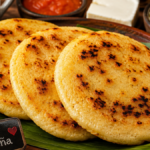
- Arepas
- Empanadas
- Tequeños
- Other traditional snacks
- Sweet pastries
The combination of savory foods and a sweet, creamy beverage can create a balanced meal experience.
A Simple Comparison of Chicha Styles
| Feature | Venezuelan Rice Chicha | Other Latin American Chicha Styles |
|---|---|---|
| Main ingredient | Often rice | May use corn or other grains |
| Typical texture | Thick and creamy | Varies widely |
| Sweetness | Usually sweet | Depends on the regional style |
| Fermentation | Common Venezuelan rice version is non-fermented | Some varieties are fermented |
| Common flavor | Milk, rice, cinnamon, vanilla | Varies by country and recipe |
| Serving temperature | Often chilled | Can be cold or served differently |
| Cultural role | Everyday drink and traditional treat | Varies by region |
This comparison shows why it is important to understand the local meaning of the word “chicha.”
How Chicha Helps Introduce Venezuelan Culture
Food is one of the easiest ways to learn about another culture.
A person may first discover Venezuela through a meal, a traditional snack, or a glass of chicha venezolana.
Once people become curious about the drink, they may also want to learn about Venezuelan music, festivals, history, family traditions, and other foods.
This makes traditional food a bridge between cultures.
Sharing chicha with friends or visitors can therefore be more than serving a beverage. It can be an opportunity to tell a story about Venezuelan life and hospitality.
Frequently Asked Questions About Chicha Venezolana
What is chicha venezolana made from?
The commonly known Venezuelan rice version is usually made with cooked rice, milk, sugar, and flavorings such as cinnamon or vanilla. Some recipes include condensed milk for additional richness.
Is Venezuelan chicha fermented?
The popular sweet rice-based chicha venezolana is generally a non-fermented beverage. This is different from some other traditional drinks called chicha in Latin America.
Does chicha contain rice?
Yes. Rice is one of the key ingredients in the common Venezuelan version and helps give the drink its thick, creamy texture.
Can I make chicha at home?
Absolutely. A basic version can be made with rice, milk, sugar, cinnamon, and vanilla. A blender is useful for creating a smooth texture.
Should chicha be served cold?
It is commonly served chilled, often with ice. Cold chicha is especially refreshing in warm weather.
Can I reduce the sugar?
Yes. Homemade recipes give you control over sweetness, so you can reduce the sugar or use less sweetened condensed milk.
What does Venezuelan chicha taste like?
It is usually creamy, sweet, and mild, with a pleasant rice-and-milk flavor. Cinnamon and vanilla can add warm, dessert-like notes.
Final Thoughts on Chicha Venezolana
Chicha venezolana is much more than a sweet rice drink. It is a comforting part of Venezuelan food culture that brings together simple ingredients, family traditions, creativity, and hospitality.
Its creamy texture, gentle sweetness, and warm cinnamon flavor make it easy to enjoy. At the same time, its cultural background gives the drink a deeper meaning. Every family can put its own touch on the recipe, which helps the tradition continue from one generation to the next.
Whether you prepare it at home, discover it at a Venezuelan restaurant, or share it with friends, chicha venezolana offers a delicious way to experience a small but meaningful part of Venezuela’s rich culinary heritage. With its simple preparation, flexible recipe, and unmistakable character, chicha venezolana remains a wonderful traditional drink that deserves to be discovered, enjoyed, and shared.