
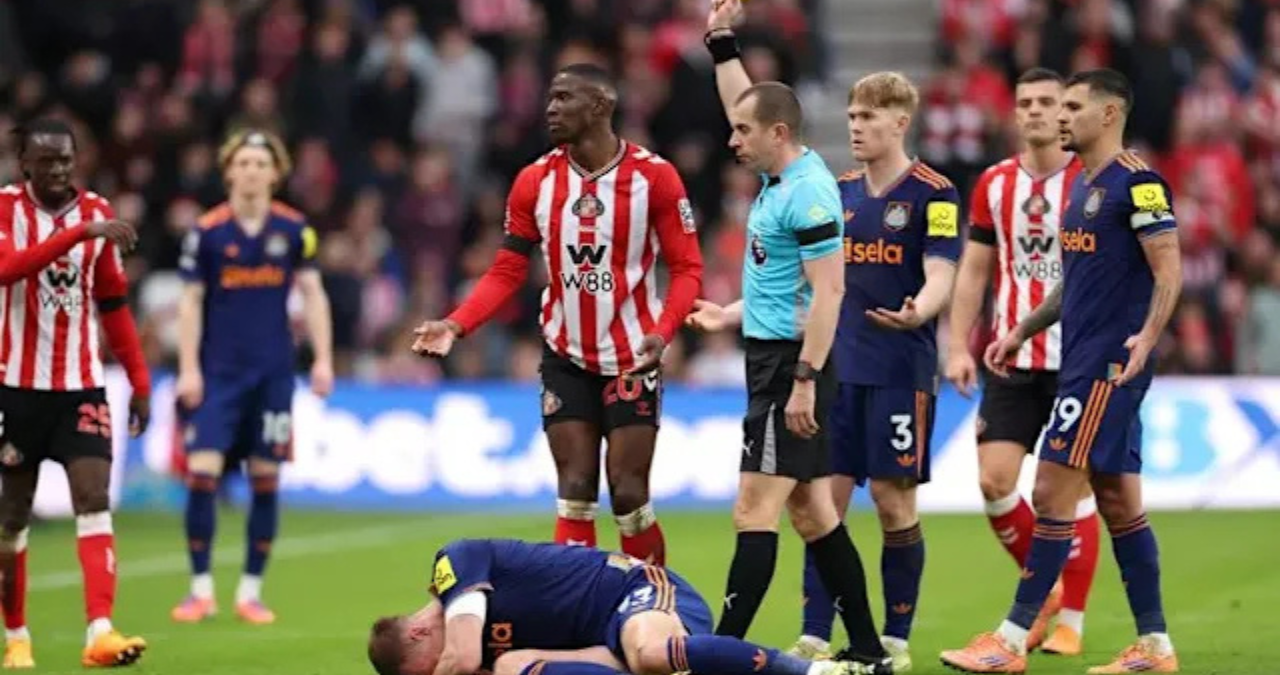

Football is a game of passion, skill, and determination. However, injuries are also a part of the sport. Fans, coaches, and teammates often become concerned whenever a key player gets hurt. One topic that has attracted attention among football supporters is Dan Burn Injury. As a strong and dependable defender, Dan Burn plays an important role for both his club and team. Therefore, any injury involving him naturally becomes a major talking point.
This article provides a detailed look at Dan Burn Injury, including what injuries can mean for professional footballers, how recovery works, the impact on team performance, and what fans can learn from an athlete’s journey back to fitness. While injuries are challenging, they also highlight a player’s resilience, dedication, and commitment to returning stronger than before.
Understanding Dan Burn Injury and Why It Matters
Dan Burn Injury has become a popular topic among football fans because of the defender’s importance on the pitch. Standing out for his height, defensive awareness, and leadership qualities, Dan Burn has earned respect throughout his professional career.
When a player of his caliber suffers an injury, several questions immediately arise:
- How serious is the injury?
- How long will recovery take?
- Will the player return at the same level?
- How will the team adjust during the absence?
These concerns are common in football because modern teams often rely heavily on experienced defenders to maintain stability at the back.
Injuries can affect not only the player but also teammates, coaching staff, and supporters. That is why discussions surrounding Dan Burn Injury often receive significant media attention.
Who Is Dan Burn?
Dan Burn is a professional footballer known for his impressive defensive abilities and versatility. Throughout his career, he has played for several clubs and gained recognition for his hardworking attitude.
Some key characteristics that define his game include:
- Strong aerial presence
- Excellent positioning
- Physical strength
- Leadership skills
- Tactical discipline
These qualities make him an important figure in any defensive lineup. As a result, whenever an injury occurs, coaches must often rethink their strategies and team selections.
Common Football Injuries That Affect Defenders
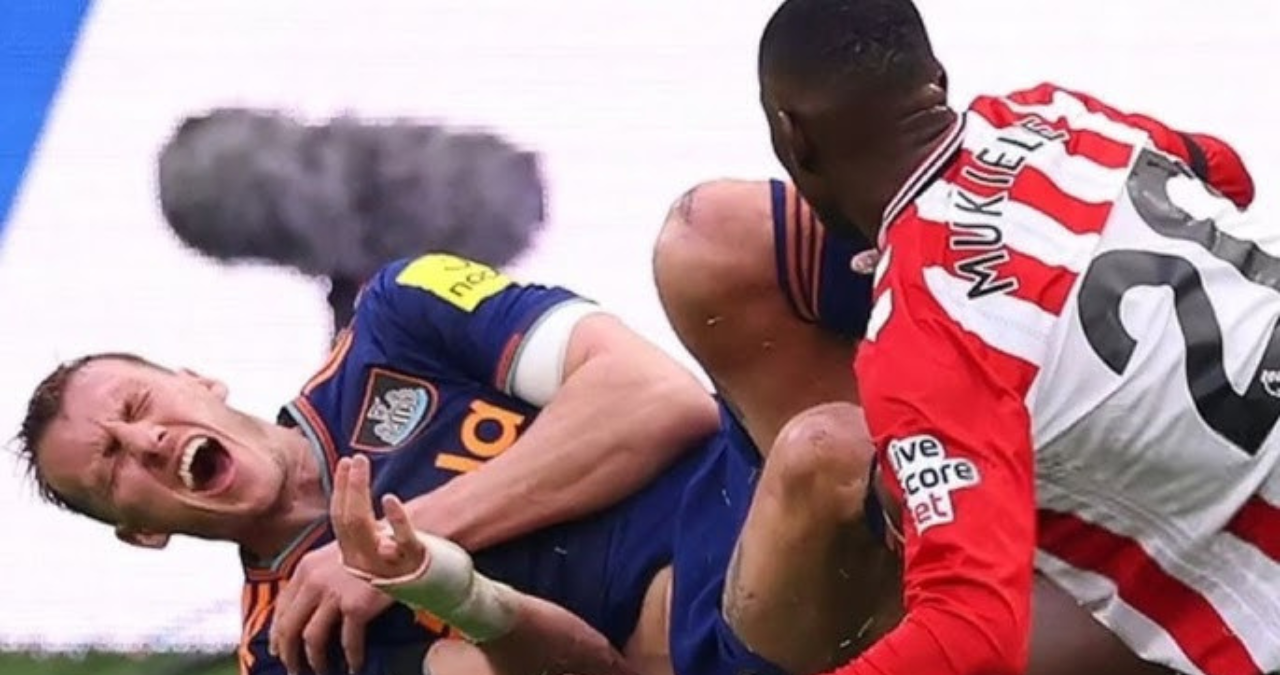
To better understand situations involving Dan Burn Injury, it is useful to examine the types of injuries defenders commonly face.
Muscle Injuries
Muscle strains are among the most frequent injuries in football. They can affect:
- Hamstrings
- Calves
- Groin muscles
- Quadriceps
These injuries usually occur during sprinting, sudden movements, or intense physical contests.
Knee Injuries
Defenders regularly engage in tackles and aerial duels, increasing the risk of knee problems such as:
- Ligament strains
- Meniscus damage
- Joint inflammation
Recovery times can vary greatly depending on severity.
Ankle Injuries
Ankle sprains are common in football because players frequently change direction at high speed. Even a minor ankle injury can affect performance significantly.
Shoulder Injuries
Physical defenders often use their upper body strength during challenges. This can sometimes lead to shoulder dislocations or muscle strains.
Head Injuries
Modern football places a strong emphasis on concussion protocols. Any head injury is treated seriously to protect long-term player health.
Understanding these injury types helps fans better appreciate the challenges that professional athletes face throughout their careers.
The Physical Demands of Professional Football
Professional football is much more demanding than many people realize. Players train almost every day and compete at extremely high intensity.
A typical week may involve:
| Activity | Purpose |
|---|---|
| Strength Training | Build power and injury resistance |
| Tactical Sessions | Improve team organization |
| Recovery Work | Reduce fatigue |
| Match Preparation | Analyze opponents |
| Competitive Matches | Perform at peak level |
Because of these demanding schedules, even small physical problems can become larger concerns if not managed properly.
When discussions arise regarding Dan Burn Injury, experts often focus on workload management and recovery strategies to ensure a safe return.
How Football Clubs Manage Injuries
Modern football clubs invest heavily in medical departments. When a player suffers an injury, a detailed process begins immediately.
Initial Assessment
Medical staff first determine:
- Location of injury
- Severity
- Potential recovery timeline
Diagnostic Testing
Players may undergo:
- MRI scans
- X-rays
- Ultrasounds
- Physical examinations
These tests help specialists develop an accurate treatment plan.
Rehabilitation Program
Every recovery program is tailored to the individual athlete. It may include:
- Physiotherapy
- Strength training
- Mobility exercises
- Balance work
- Running drills
The goal is to restore full fitness while minimizing the risk of re-injury.
Return-to-Play Testing
Before returning to competitive action, players must pass several physical assessments.
This careful approach ensures athletes are fully prepared for the demands of elite football.
The Mental Side of Dan Burn Injury Recovery
Physical healing is only one part of recovery. The mental challenge can be equally difficult.
Athletes often experience:
- Frustration
- Anxiety
- Loss of confidence
- Fear of re-injury
However, experienced professionals usually develop strong coping strategies.
Many footballers focus on:
- Positive thinking
- Daily goals
- Support from teammates
- Guidance from coaches
- Family encouragement
The recovery journey often reveals an athlete’s character. Fans frequently admire players who remain determined despite setbacks.
For this reason, conversations about Dan Burn Injury often include discussions about resilience and mental toughness.
How Injuries Affect Team Performance
Every football team depends on consistency. Losing a key defender can create several challenges.
Defensive Organization
Experienced defenders help organize teammates during matches. Their absence may lead to:
- Communication issues
- Positional mistakes
- Reduced confidence
Tactical Adjustments
Managers may need to:
- Change formations
- Rotate players
- Promote younger talent
- Alter defensive strategies
Leadership Impact
Veteran players often serve as leaders both on and off the field. Their influence extends beyond technical abilities.
Fortunately, successful clubs usually have strong squad depth that helps them adapt during difficult periods.
Recovery Timelines in Professional Football
One question fans frequently ask regarding Dan Burn Injury is how long recovery might take.
The answer depends on several factors:
| Injury Type | Typical Recovery Time |
|---|---|
| Minor Muscle Strain | 1–3 Weeks |
| Moderate Muscle Injury | 3–8 Weeks |
| Ankle Sprain | 2–8 Weeks |
| Knee Ligament Injury | Several Months |
| Shoulder Injury | Weeks to Months |
| Major Surgery Recovery | 6–12 Months |
Every athlete heals differently, so medical professionals avoid rushing the process.
Returning too soon can increase the risk of additional injuries.
Modern Sports Science and Injury Prevention
Sports science has transformed football over the past decade.
Today’s clubs use advanced technology to monitor player health.
GPS Tracking
GPS systems measure:
- Distance covered
- Sprint speed
- Acceleration
- Workload levels
Recovery Monitoring
Medical teams analyze:
- Sleep quality
- Heart rate data
- Muscle fatigue
- Hydration levels
Personalized Training
Training plans are customized based on:
- Age
- Position
- Injury history
- Fitness condition
These innovations help reduce injury risks and improve overall performance.
As a result, players now enjoy better support than ever before during rehabilitation periods.
Lessons Fans Can Learn from Dan Burn Injury Situations
Athlete injuries provide valuable lessons for everyone, not just football fans.
Patience Is Important
Recovery often takes time. Trying to rush healing can create additional problems.
Consistency Matters
Small daily improvements eventually lead to major progress.
Teamwork Supports Success
Doctors, therapists, coaches, and family members all contribute to successful recovery.
Setbacks Are Normal
Even professional athletes face obstacles. What matters most is how they respond.
These lessons apply to sports, education, careers, and personal goals alike.
The Importance of Proper Rehabilitation
Rehabilitation is much more than resting until pain disappears.
A complete recovery program focuses on:
- Strength restoration
- Joint stability
- Flexibility improvement
- Movement quality
- Match readiness
Professional football clubs carefully track every stage of progress.
Skipping rehabilitation steps can increase the likelihood of future injuries.
That is why medical teams emphasize long-term health rather than short-term results.
Fan Reactions and Media Attention
Whenever a notable footballer gets injured, media coverage increases dramatically.
Fans often:
- Follow medical updates
- Discuss return dates
- Analyze team performance
- Share support on social media
Positive fan support can have a meaningful impact on player morale.
Supporters understand that injuries are part of football and often rally behind their favorite players during difficult moments.
The widespread interest in Dan Burn Injury reflects the respect many supporters have for his contributions to the game.
Looking Ahead: Returning Stronger After Injury
History shows that many footballers return from injuries stronger than before.
Successful recoveries often result from:
- Professional medical care
- Hard work
- Mental resilience
- Smart training
- Proper nutrition
Athletes learn valuable lessons during rehabilitation that can improve future performance.
A recovery period may also provide opportunities to:
- Analyze matches
- Improve tactical understanding
- Strengthen weaknesses
- Develop leadership qualities
This optimistic perspective helps players remain motivated throughout the process.
Why Player Health Should Always Come First
Modern football increasingly prioritizes player welfare.
Medical experts now emphasize:
- Long-term health
- Safe rehabilitation
- Injury prevention
- Mental well-being
While fans naturally want players to return quickly, protecting an athlete’s future remains the highest priority.
This balanced approach benefits everyone involved in the sport.
Conclusion
Dan Burn Injury remains a topic of interest because Dan Burn is an influential and respected defender whose presence significantly impacts team performance. Injuries are an unavoidable part of professional football, but they also showcase the determination, discipline, and resilience that elite athletes possess.
From medical assessments and rehabilitation programs to mental strength and modern sports science, every stage of recovery plays a crucial role in helping players return safely to competition. Football fans can learn valuable lessons from these experiences, including patience, perseverance, and the importance of proper recovery.
Ultimately, Dan Burn Injury highlights both the challenges and opportunities that come with professional sport. While injuries can temporarily sideline a player, they often become powerful stories of hard work and comeback success. With the support of medical experts, teammates, coaches, and fans, athletes can overcome setbacks and continue performing at the highest level. In the world of football, resilience is just as important as talent, and the story surrounding Dan Burn Injury serves as an excellent example of that enduring truth.